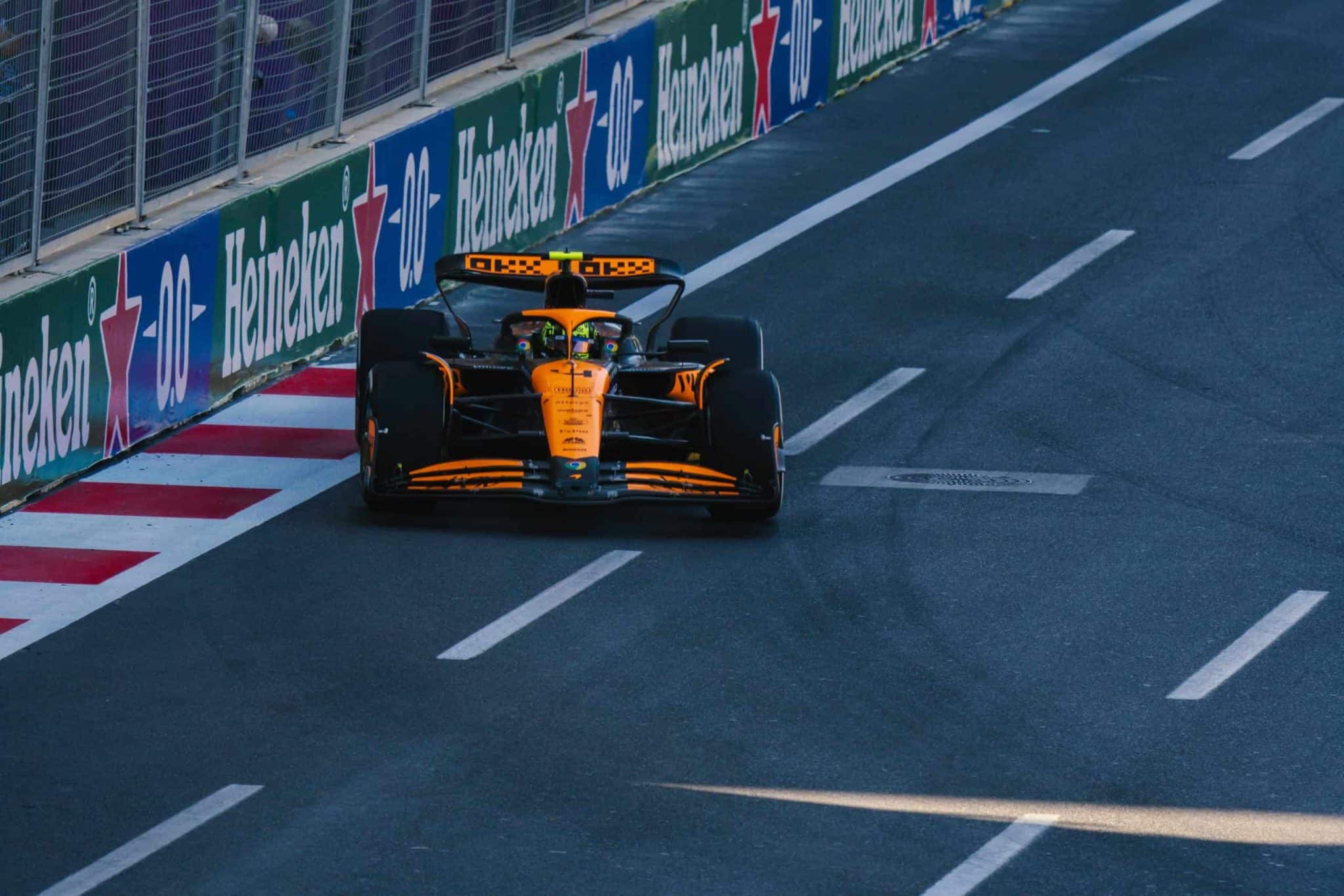
At the Abu Dhabi Grand Prix last weekend, Britain’s Lando Norris, driving for the McLaren team, was crowned world champion for the first time. The backdrop to his success was intense: he went into the final race of the season as one of three drivers who could potentially take the crown. Lando needed at least a third-place finish to triumph – and he delivered exactly that.
In the exhilaration that followed, Norris reflected that he had become Formula 1 world champion “my way”- without trying to be someone else. This reflection offers a surprisingly relevant lesson for today’s workplaces. In a world where employees are often encouraged, explicitly or implicitly, to conform to established behaviours or leadership styles, Norris’ words remind us that sustained performance thrives on authenticity. And, coupled with McLaren’s approach to fairness during the title fight, his season provides a compelling case study for HR professionals.
The personal touch
Norris spoke about achieving success by staying true to himself: not changing his personality, not pretending, not performing a version of himself that didn’t fit. Norris remained unflinchingly honest throughout his title campaign, wearing his heart on his sleeve, refusing to be over-aggressive and being unafraid to self-criticise. Norris said that if he had not done the job “my way” but had bowed to the pressure to conform, he would have felt less proud of his achievement.
That message resonates deeply in corporate contexts where psychological safety and individuality directly impact engagement. When people feel able to show up as themselves – quirks, style, and working preferences included – they spend less energy on self-monitoring and more on delivering results. Authenticity also builds trust: colleagues recognise when someone is genuine, and teams function better when they don’t have to decipher layers of performance or hierarchy-driven behaviour.
A team focus on fairness
Authenticity alone isn’t enough. It must sit within an environment that treats people fairly. That’s where McLaren’s approach stands out. Even as the team entered the final race with a realistic chance of producing its first world champion in years, it resisted the temptation to impose team orders. Instead, it allowed Norris and his team-mate Oscar Piastri (behind him in the standings, but still with a mathematical possibility of becoming champion himself) to race freely – despite the risk this posed of letting a rival, Max Verstappen, take advantage.
This commitment to fairness is notable given the very different journeys the two drivers have taken. Norris has been part of the McLaren system since he was 14 and has now completed seven seasons in Formula 1 with the team. By contrast, Piastri only joined in 2022, having come through the development pipeline of a rival team, Alpine, and is in just his third season. In many workplaces, such differences in tenure, loyalty, or personal history would quietly tilt the playing field. Long-serving employees may receive preferential treatment, with newcomers often facing higher scrutiny or fewer opportunities.
McLaren demonstrated the opposite. By providing equal treatment and equal opportunity – regardless of background or service length – the team sent a powerful message: performance, not seniority, determines outcomes. In doing so, it reinforced trust across the organisation and allowed both drivers to compete at their best.
Key takeaways
For HR leaders, the takeaway is clear. Create environments where individuals can succeed their way – without pressure to imitate others. Support that with structures and policies that ensure fairness is not situational but consistent. Question whether tenure-based privilege has crept into decision-making; and build cultures where opportunity is genuinely open, even when the stakes are high.
Lando Norris’ championship season shows what becomes possible when authenticity and fairness coexist: people perform better, teams grow stronger, and organisations achieve results they might otherwise consider out of reach.