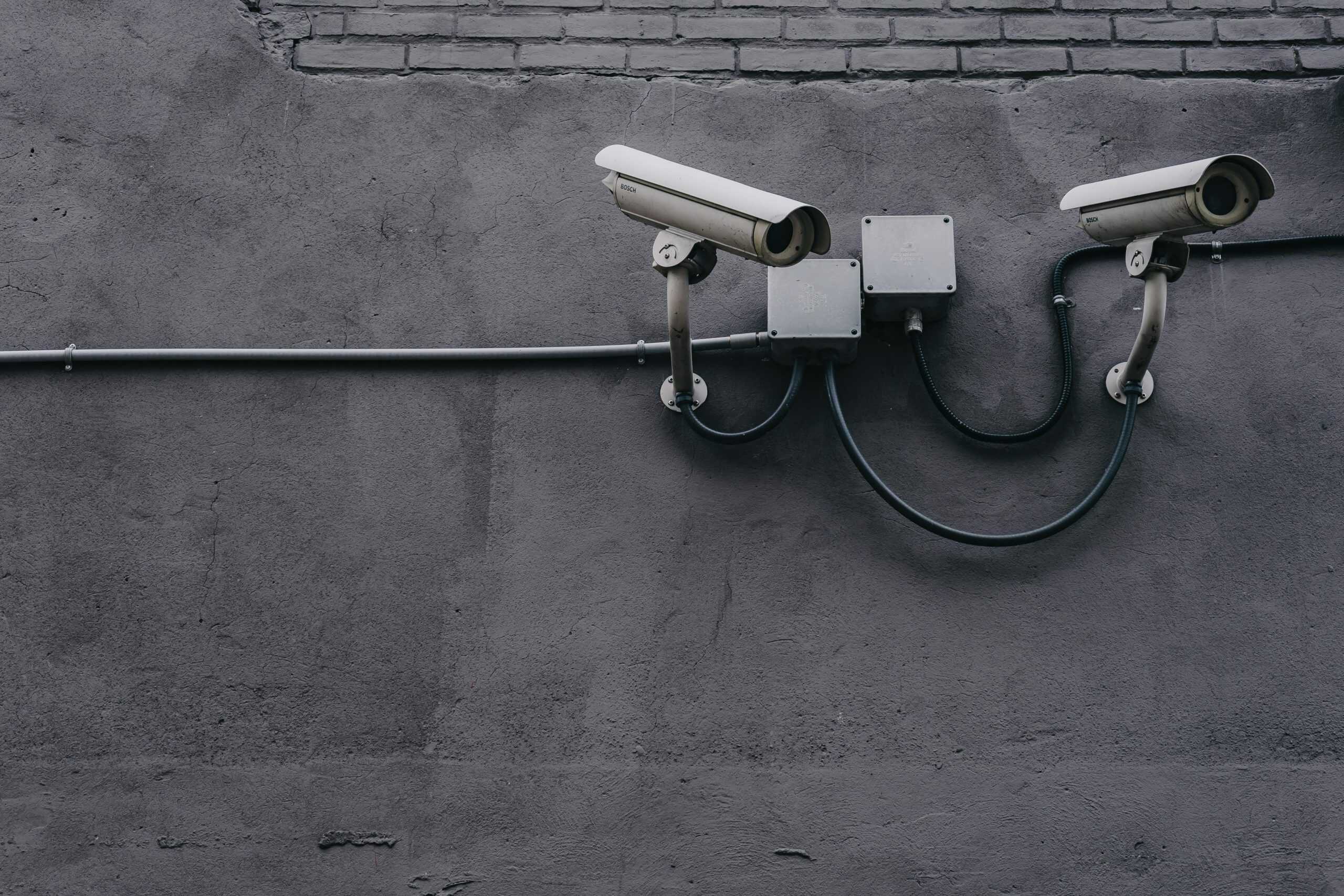
Workplace surveillance is not new. Employers have long relied on tools such as CCTV, access-control systems and call monitoring to protect assets and manage conduct and performance. What has changed is the speed, sophistication and subtlety of surveillance technologies. As monitoring becomes easier and less visible, the risk increases that it expands beyond what is justified, proportionate or even lawful.
What is workplace surveillance?
At its core, workplace surveillance involves collecting information about employees’ behaviour, movements or communications. Traditionally, this has included visible and familiar measures such as CCTV in communal areas, vehicle tracking for company fleets or recording customer service calls for quality assurance. These forms of monitoring are usually employer-led, transparent and supported by clear policies explaining why surveillance exists and how data will be used.
What obligations are employers under when monitoring employees?
Employers do not have a free reign to monitor employees however they choose.
The collection and storage of surveillance data will generally amount to data processing, triggering data protection obligations. Employers must understand what data is being processed, identify a lawful basis for doing so, communicate that basis clearly to employees, and put appropriate safeguards in place around storage, access and retention.
There is also the implied duty of trust and confidence in every employment relationship. Surveillance must be proportionate and pursued for legitimate aims. Excessive or covert monitoring without good reason can damage morale and trust, and may even prompt employees to resign and bring constructive dismissal claims.
Workplace surveillance must therefore always be justified. Employers should be able to demonstrate a legitimate purpose – such as health and safety, security or regulatory compliance – and show that monitoring is necessary and proportionate. Blanket or intrusive monitoring, particularly where less intrusive alternatives exist, risks breaching privacy obligations and undermining trust. HR plays a critical role in ensuring monitoring is introduced thoughtfully, not simply because technology makes it possible.
What additional risks are posed by emerging technologies in this area?
Emerging technologies make this balancing exercise far more complex. Tools that track keystrokes, mouse movements, screen time or inactivity can generate detailed behavioural data with little visibility for employees. Although often marketed as productivity or security solutions, these systems can easily drift into constant performance monitoring, raising concerns about fairness, accuracy and psychological impact.
Why does the ‘smart’ era pose new difficulties for employers?
The challenges intensify with the rise of wearable and ambient technologies such as smart watches and smart glasses. These devices blur the boundary between personal technology and workplace surveillance.
Wearables can collect large volumes of personal – and potentially sensitive – data. If employers allow their use at work without clear controls, the risks of privacy breaches, data protection non-compliance and disclosure of confidential business information increase significantly.
Crucially, data collected by these devices is rarely under the sole control of the wearer. Information captured by smart glasses, for example, may be shared with device providers and their partners. Where AI features are involved, data may be transferred to third-party AI providers. This could include audio, images or transcripts of workplace interactions, leaving employers with little control over where personal or business data ultimately ends up.
Even where no recording is taking place, the mere presence of smart glasses can create the perception of monitoring. If colleagues cannot tell whether they are being filmed or observed, discomfort and mistrust can quickly arise. That perception alone may lead to grievances, complaints and a breakdown of workplace relationships.
What HR should do
Policies must evolve alongside technology. Many existing IT, monitoring and data protection policies say little or nothing about wearables or smart devices, creating significant grey areas. HR should ensure policies explicitly address emerging technologies, set clear expectations around their use and explain how privacy rights will be protected.
Transparency is essential. Employees should understand what monitoring exists, why it exists and what safeguards are in place. If smart devices are permitted, privacy notices may need updating to reflect new forms of data processing.
HR should also consider whether there is any justification for allowing smart devices in the workplace at all. Employers may decide to impose a blanket ban, or require employees who bring such devices to work to sign agreements confirming they will not use recording features on site. While not foolproof, these steps can help reassure colleagues and reduce risk.
Key takeaways
The smart workplace requires smarter governance. HR must remain at the centre of surveillance decisions, working closely with IT and legal teams to balance innovation with employee privacy. As technology continues to outpace policy, HR’s role is to slow the process just enough to ask the right questions – and ensure surveillance is only introduced where it is genuinely necessary, proportionate and justified.
We cover smart wearable devices in our Professional Boundaries Policy – members of the HR Inner Circle can download it here.