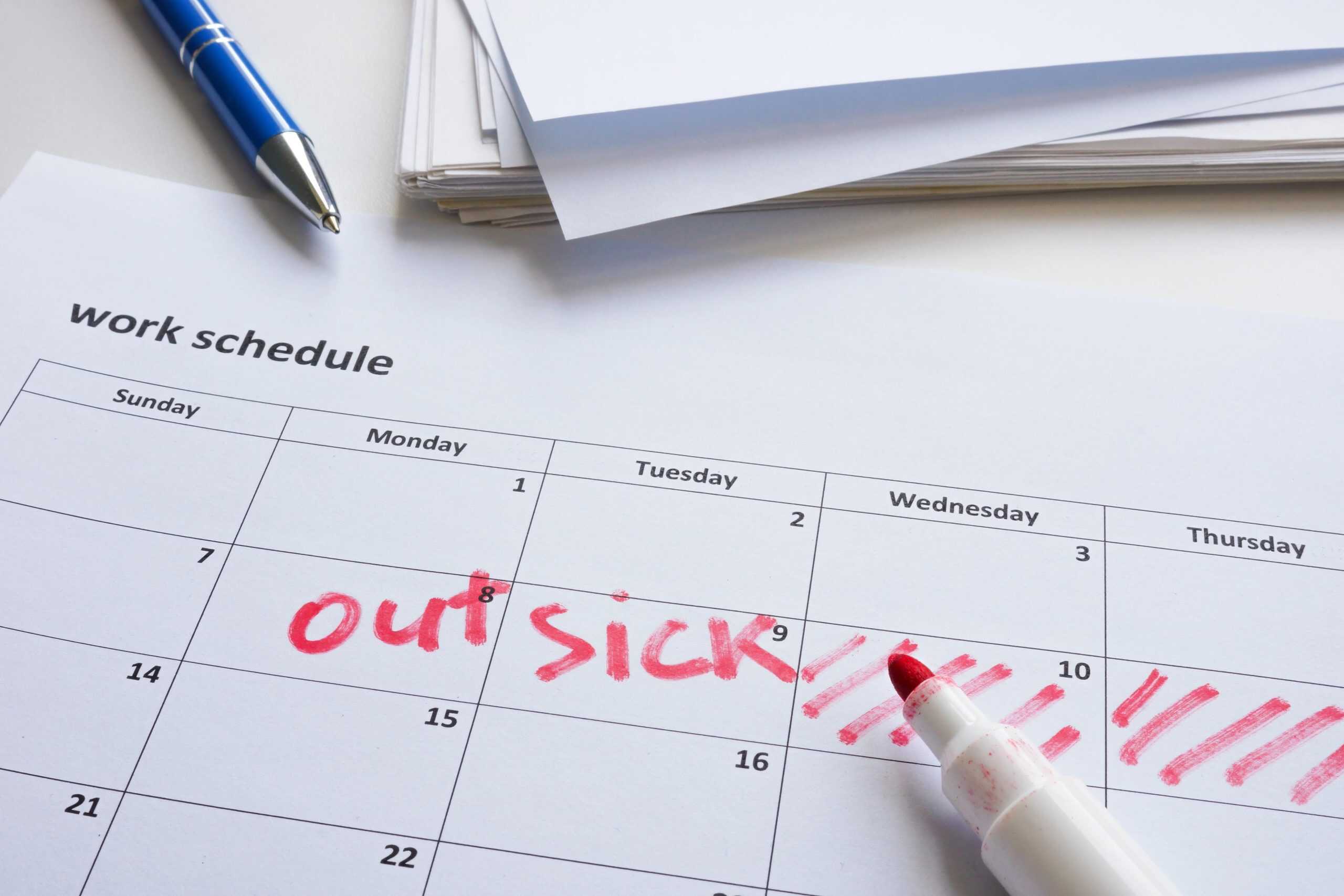
The Acas Code of Practice on disciplinary and grievance procedures says that disciplinary processes should proceed ‘without delay’ – but what can employers do if delay is caused by an employee going off sick? The sickness may be unrelated to the disciplinary process. Or it could be a tactical deployment to ‘buy time’. It should also be borne in mind that employees may genuinely become unwell owing to the stress and anxiety caused by the process itself.
In these sorts of cases employers have the unenviable job of balancing a requirement to proceed ‘without delay’ with the fact that, as the Employment Appeal Tribunal emphasised in William Hicks & Partners v Nadal, it will only be reasonable for a disciplinary hearing to go ahead in an employee’s absence in exceptional cases. If a disciplinary hearing takes place resulting in dismissal, and the employee was not in attendance, the employer could face claims for unfair dismissal and, if the employee qualifies as disabled, disability discrimination.
It is a delicate balancing act but employers should be aware that the disciplinary process does not have to be indefinitely paused in cases of sickness absence. The matter might be ‘on pause’ but it is not going away.
Here are some practical tips to bear in mind if employee sickness is delaying a disciplinary process:
- Consider making a referral to occupational health or obtaining other medical advice to confirm whether the employee is fit to attend a meeting. In some cases, an employee may not be fit to work in their specific role but may be fit enough to attend a disciplinary meeting. A doctor may also advise that it would help the employee not to delay proceedings.
- If the business has a discretionary sick pay policy, consider whether payment of SSP only (rather than full pay) might encourage the employee’s sickness to abate more quickly! Be careful to make sure that this exercise of discretion is not vulnerable to a complaint of discrimination – but if the policy is genuinely discretionary then this tactic should be given serious consideration. You might want to incorporate the position into your disciplinary policy so the position is clear: employees facing disciplinary action will receive SSP only during any period of sickness absence occurring during the investigation or disciplinary process.
- If an employee is suspended on full pay as part of a disciplinary process and then goes off sick, in the absence of a specific contractual provision, they are likely to remain entitled to receive full suspension pay. This principle was reinforced by the Employment Appeal Tribunal in Wright v Weed Control. In this case, the employee was suspended pending an investigation. The suspension clause in the employee’s contract said that suspension would be on full basic pay. The employee went off sick and the employer paid him SSP rather than full pay. The EAT held that he should have received full pay for this period. There was nothing in the contract that said that full pay was only payable if the employee was ready and willing to work during the period of suspension, nor to the effect that he should simply receive what he would have been paid had he not been suspended.
This can pose a problem where the sickness is delaying the progression of the disciplinary process itself – the employer will be paying the employee full pay but will be unable to progress matters. One way around this could be to lift the suspension, which will move the employee onto sick leave (with whatever payment provisions apply during sick leave). However, it may be difficult to justify re-starting any suspension once the employee is ready to return to work. Another way around this is to include a provision in the employee’s contract of employment stating that if they become sick during a period of suspension then the employer is only obliged to pay them what they would have been entitled to receive had they not been suspended.
- Be considerate of the employee’s welfare and consider any potential adjustments that could be made to get the process moving. Off-site meetings, home visits, a wider choice of companions, the use of written representations or video conferencing should all be on the table. If you can, ask a medical professional for guidance on adjustments. This will give objectivity to your actions.