A flurry of government-backed amendments to the Employment Rights Bill was published overnight – some of which were not previously on the radar.
Here’s a first look at the five biggest changes you need to be aware of:
-
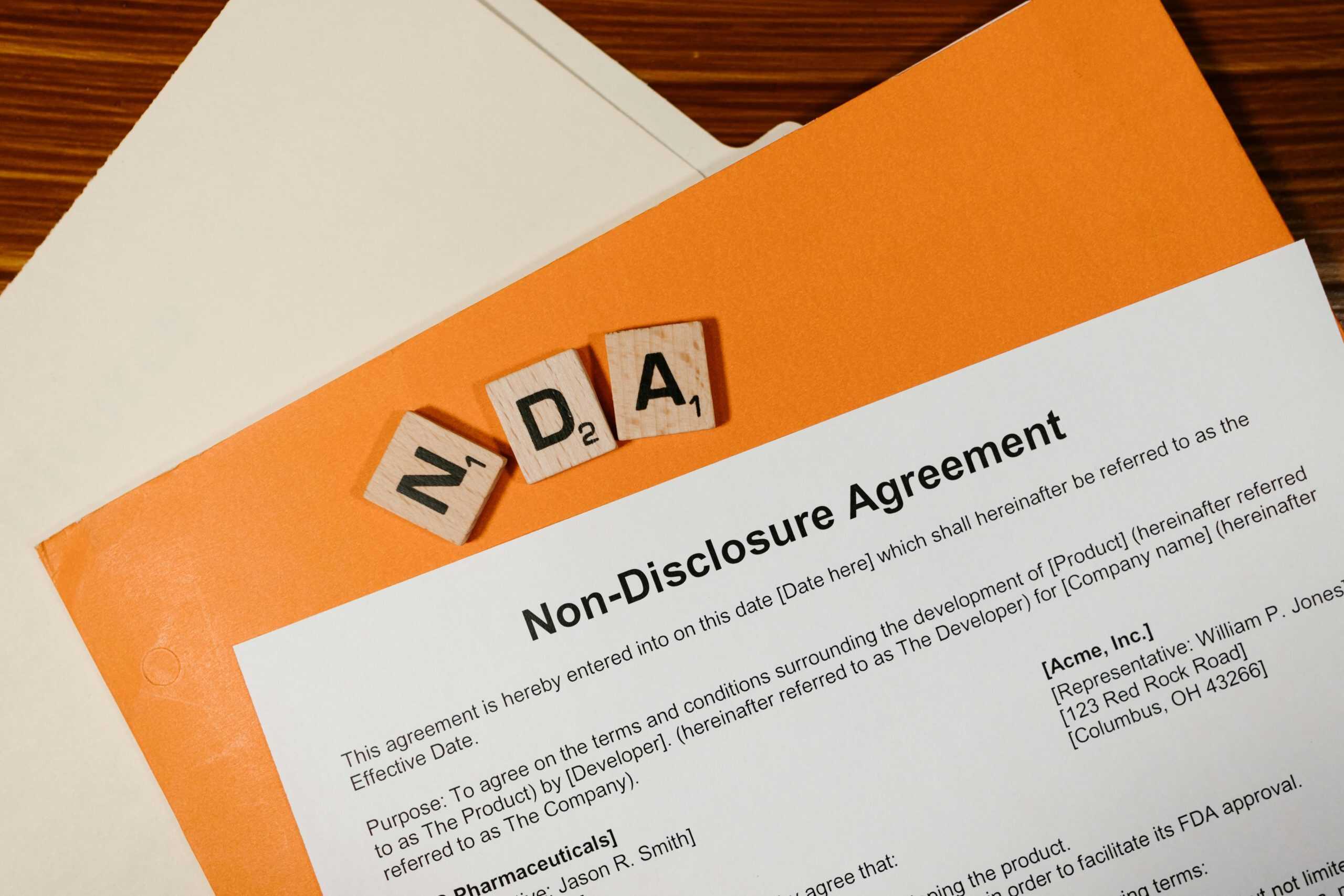
New limits on NDAs in discrimination and harassment cases
Clause 22A introduces a game-changing restriction on confidentiality clauses in employment contracts and settlement agreements.
From now on, any clause, no matter where it sits, that attempts to prevent a worker from speaking out about workplace discrimination or harassment (as defined by the Equality Act 2010) will be void, whether it is in an employment contract or a settlement agreement. This also extends to disclosures about how the employer handled the complaint and applies to both current and former employees. Future Regulations may widen this even further to include contractors, trainees, and others on work experience.
This marks a major cultural shift. Any clause that tries to suppress these disclosures risks being not just unenforceable but a litigation and reputational landmine.
Employees can no longer be threatened with breach of contract for raising concerns with regulators, the police, the media, or even their colleagues. This makes the use of standard NDAs particularly risky; not only are the clauses unenforceable in these contexts, but any attempt to pressure staff could give rise to additional legal claims, including victimisation.
Ironically, this change may have unintended consequences – employers could become more reluctant to settle discrimination or harassment cases if they’re unable to secure confidentiality as part of the resolution.
-
Fire and rehire: a softer but still serious crackdown
Clause 26 deals with the controversial practice of fire and rehire. The original draft of the Bill proposed a near-total ban, making such dismissals automatically unfair unless they were necessary to avoid financial collapse and followed a detailed statutory consultation checklist.
But new amendments propose a more nuanced system:
- The automatic unfair dismissal rule will now only apply to ‘restricted variations’ – for example: changes to pay, hours, holiday, pensions, and (significantly) any change that inserts a variation clause itself.
- The checklist requirement may be dropped altogether, replaced by the standard s98(4) reasonableness test once an employer proves severe financial distress.
- For changes outside the ‘restricted’ list, the six-point checklist will still apply, but without automatic unfair dismissal. This means employers must follow an intensive consultation process but can still argue overall fairness.
- Redundancies connected to outsourcing may be treated as automatically unfair unless there is serious financial distress.
- Crucially, standard location-based redundancies will remain under the usual rules.
The government indicated in it’s Roadmap published last week, that it will consult on the relevant Regulations, with a proposed implementation date of October 2026, suggesting these amendments have ministerial backing and are likely to become law.
-
Overhaul of whistleblowing protections
The amendments proposed to whistleblowing (although crucially these amendments do not appear to be government backed, which makes them less likely to become law) include:
- A simplified and broadened definition of protected disclosures, including mismanagement of public funds and abuse of authority.
- The requirement that a disclosure must actually be in the public interest (not just reasonably believed to be so).
- The creation of an Office of the Whistleblower within 12 months of Royal Assent. This new body will:
- set minimum standards for employer policies;
- provide an independent reporting line; and
- issue and enforce redress orders.
But there’s more. Employers with over 50 staff, or £10m+ turnover, or in regulated sectors, must take reasonable steps to investigate any protected disclosure (details of which would be set out in Regulations).
Most strikingly, it could become a statutory offence to intentionally or recklessly subject a whistleblower to detriment. Employment tribunals would have jurisdiction to hear these cases and may impose fines of up to 10% of global turnover.
-
Zero-hour workers: right to request, not a duty to offer
Initial proposals to compel employers to offer guaranteed hours could be scaled back (but as with the whistleblowing amendments above, these are also not government backed).
If amended, under Clause 1, workers will have the right to request guaranteed hours – akin to the flexible working regime – but the onus is on the worker to initiate. Employers only have to consider the request, not agree to it.
Other key features:
- The right applies only if the worker averages 8+ hours a week over a rolling 26-week period, excluding the most casual arrangements.
- Short-notice shift cancellations only trigger compensation if done less than 48 hours before the shift starts.
- For agency workers, any offer of guaranteed hours must meet a pay parity test – either matching the highest rate the worker received during the reference period or in limited circumstances, the lowest rate that is still objectively justified as a “proportionate means of achieving a legitimate aim”.
-
Miscarriage leave
As previously flagged, the amendments also introduce miscarriage leave by extending existing bereavement leave to cover the loss of a child in the first 24 weeks of pregnancy. Until now, this only applied to losses after the 24th week. This brings welcome clarity and consistency to a sensitive area of law.